LIVE
Summary
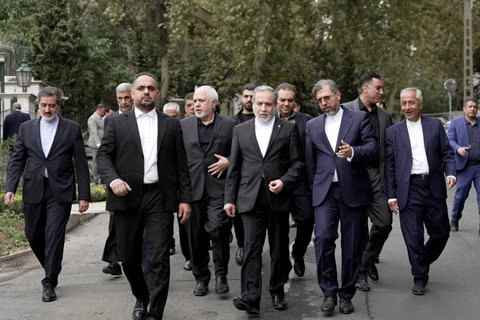
Qatari mediators were in Tehran on Sunday as part of a US-coordinated effort to reduce regional tensions, an official briefed on the matter told Reuters.
Summary
Qatari mediators were in Tehran on Sunday as part of a US-coordinated effort to reduce regional tensions, an official briefed on the matter told Reuters.
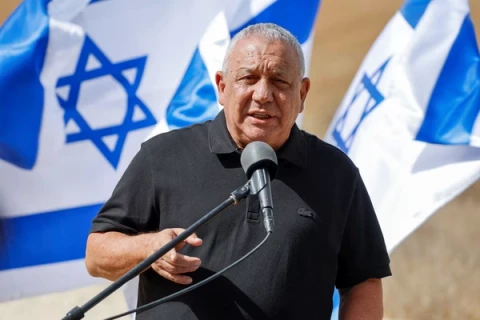
Israel's Eisenkot praises Trump strikes on Iran, warns of nuclear threat
Former Israeli military chief Gadi Eisenkot praised US President Donald Trump's decision to launch strikes against Iran alongside Israel and warned that Tehran was seeking to develop nuclear weapons, in an interview with the New York Post.
Saudi Arabia intercepts Houthi missiles, drones as Yemen fighting continues
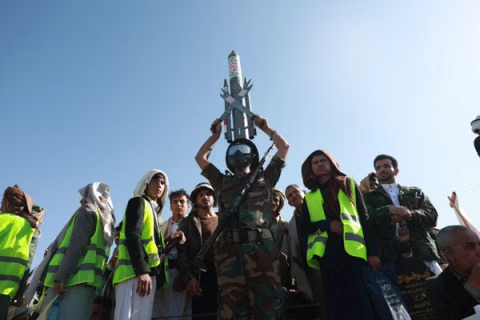
Saudi Arabia intercepted drones and missiles over Riyadh and southern parts of the country on Sunday as fighting with Yemen’s Iran-aligned Houthis continued, the Saudi-led coalition said.
ANALYSIS
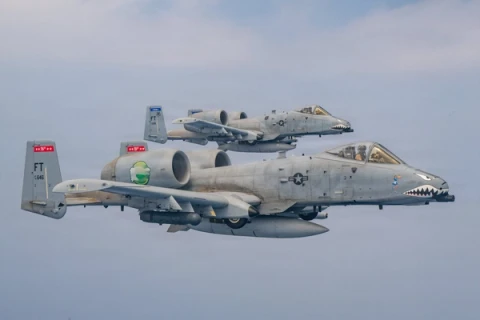
From six-day victory to wars of attrition: How has Israel ended its wars?
The war with Iran raises a familiar question for Israel: Can battlefield gains produce lasting peace? Its military history offers mixed answers, from unresolved victories to withdrawals and ceasefires that left adversaries armed.

Iran nearing mental-health emergency, psychology chief says
Iran may be approaching a mental-health emergency as prolonged uncertainty over war, economic pressure and the future takes a growing toll on the public, the head of the country’s Psychology and Counseling Organization said on Sunday.

Iran sends conflicting signals on US deal as Trump raises prospect of strikes
Tehran has offered to reopen the Strait of Hormuz if Washington lifted its naval blockade, Iran’s envoy to Pakistan said Saturday, while an IRGC-affiliated outlet rejected such an exchange and President Donald Trump raised the possibility of strikes as soon as “tomorrow.”
VOICES FROM IRAN
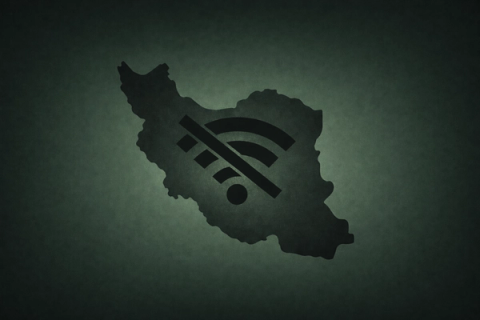
Iranians vent anger over rising costs of slow, restricted internet
Iranians say they are paying more for slow, unreliable and heavily restricted internet after mobile operators raised data prices by up to 40%, with some reporting that their allowances run out unusually quickly.
Iran's Restive Southeast
PODCAST
Baluch insurgency tests the limits of a war-weakened Islamic Republic
Armed Baluch groups in Iran’s southeast are adding one more strain on the Islamic Republic’s security forces just as war has stretched them thinnest, with 18 attacks in the 18 days to October 10, more than in any full month this year.

Israel Elelction

Iran-born former Mossad officer running for Knesset urges end of Islamic Republic
Nazanin Sharifian, an Iran-born former Mossad officer running for Israel’s parliament with Gadi Eisenkot’s Yashar party, told Iran International that Israel should step up military and economic pressure on the Islamic Republic’s leaders and work to end their rule.
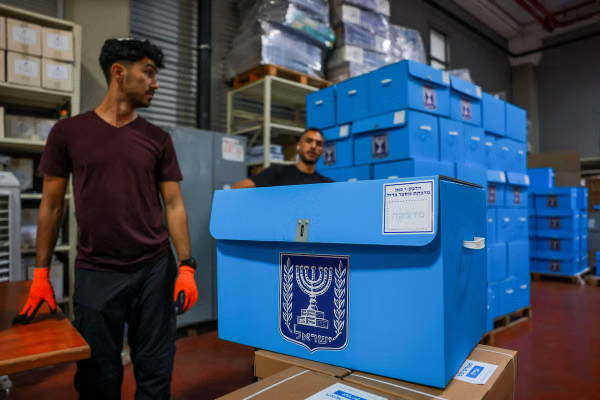
Israel’s leaders have long wanted Iran’s rulers gone. They differ only on how
In 1987, with Khomeini still calling for Israel’s destruction, Israel’s defense minister called Iran its best friend. Today every candidate for prime minister wants the Islamic Republic gone. Israel’s leaders have changed their minds about Iran’s rulers, but seldom disagreed.
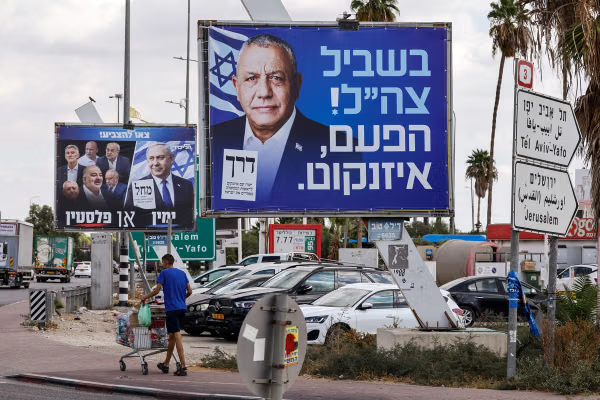
Iran in Israeli election: Netanyahu all-in on regime change, rivals want more
Israeli Prime Minister Benjamin Netanyahu is making regime change in Iran an explicit goal ahead of Israel’s election, while political rivals advocate tough measures against Tehran and criticize his failure to eliminate the Iranian threat.
Operation Economic Outcast
Iran’s evasion network survives, but the crude feeding it has run dry
Iran still has the knowhow, middlemen and shadow-fleet infrastructure it spent years developing to sell sanctioned oil to China. But it has now run out of oil outside Iran to put through that system.

Reform UK donor had ties to Iran supreme leader-linked foundation - Guardian
A billionaire donor to Britain’s Reform UK party was previously involved in a business venture with Astan Quds Razavi, a powerful Iranian religious foundation under the authority of the country’s supreme leader, the Guardian reported.
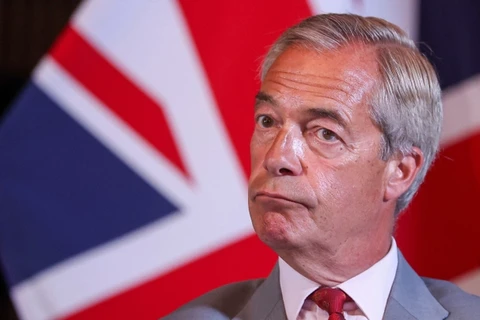
Iranian state-linked hackers used US server to target dissidents, researchers say
An Iranian state-sponsored hacking group used command-and-control infrastructure hosted in the United States this year after a months-long pause in operations, according to cybersecurity firm Semperis.
ONE-ON-ONE
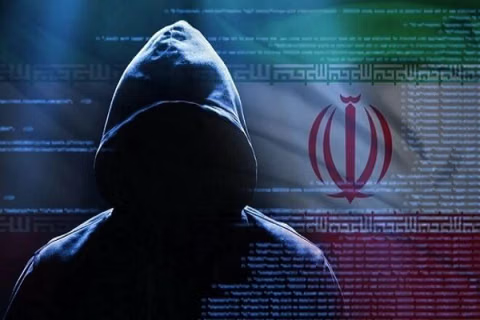
China values Iran but won't pay any price to defend it
China regards its relationship with Iran as largely transactional and is not firmly committed to defending the current Iranian government, according to Tong Zhao, a senior fellow at the Carnegie Endowment for International Peace.

Crackdown on Dissent
Iran upholds protester's death sentence over $56 property damage
Iran's Supreme Court has upheld the death sentence of a protester arrested during the 2022 Woman, Life, Freedom movement over an explosion that his lawyer says caused about $56 in property damage, the Emtedad news channel reported Wednesday.

In Case You Missed It
Eye for Iran Podcast
Tehran Insider

They can erase you without arresting you
One morning your phone simply stops working. There is no warning, no explanation and often no piece of paper telling you what you have done. Welcome to the Islamic Republic of Iran v.3.1.

I stayed awake for them
I wrote what follows just after midnight, unable to sleep at the thought of more executions at dawn. It is now early morning. The news has hit hard. I can't rewrite these words now. They belong to the hours before that hope disappeared. I leave them as they are.