100 days on: the anatomy of Iran’s January crackdown
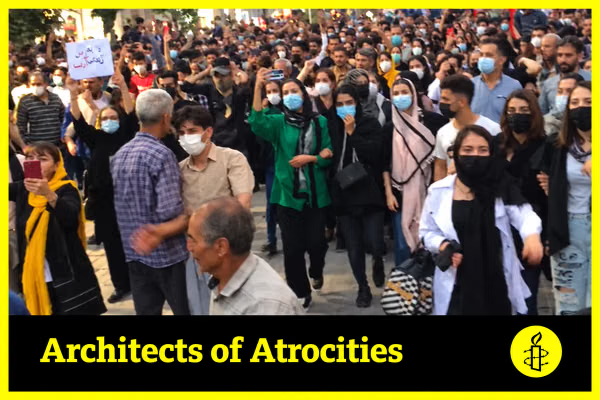
One hundred days after protests erupted across Iran in January 2026, the events still stand out as one of the most widespread and violent protest waves the country has seen in recent years.

One hundred days after protests erupted across Iran in January 2026, the events still stand out as one of the most widespread and violent protest waves the country has seen in recent years.

One hundred days after protests erupted across Iran in January 2026, the events continue to reveal something fundamental about Iranian society: many people now fear silence more than they fear protest.
One hundred days after one of the deadliest crackdowns in modern history, Iran remains suspended between grief and uncertainty, with a fractured public mood as some see justice in recent blows to the regime, while others feel left behind with it still in place.
One hundred days after thousands of protesters were massacred on January 8 and 9, Iran's already fragile economy has sharply deteriorated, with millions feared to be unemployed as a devastating war compounds the crisis and accelerates economic collapse.

Iran International has received reports that an Iranian man was violently assaulted in central London. The Metropolitan Police are understood to be investigating.

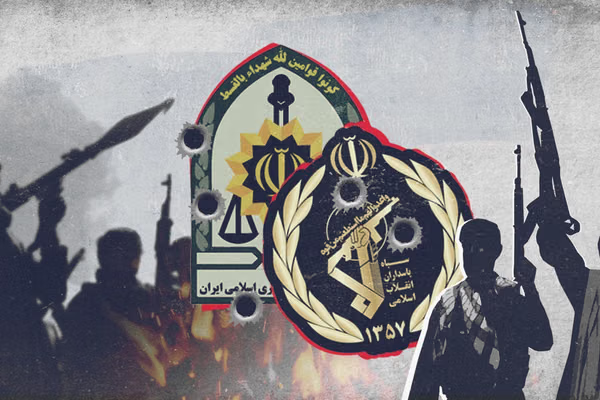
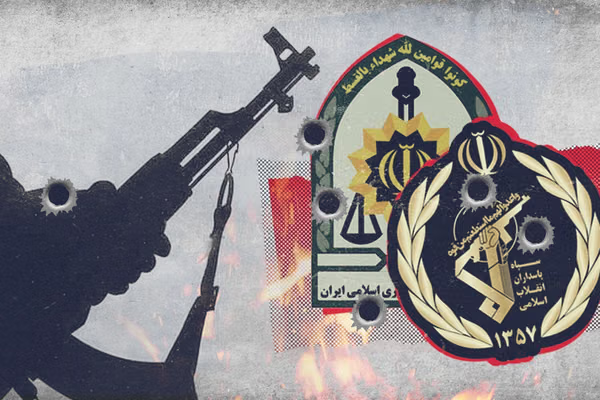
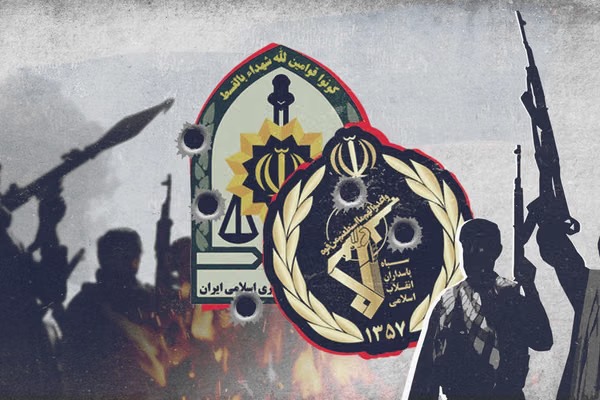
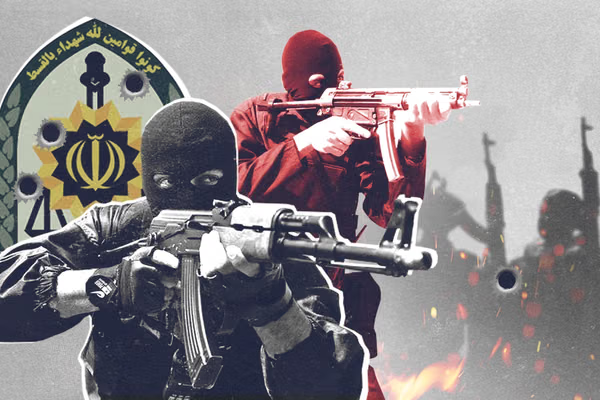
Israel’s campaign in Iran has reached far beyond missile depots and military command. Over roughly a month, it has also hit the architecture of domestic repression: intelligence compounds, police stations, Basij bases, judicial buildings, and senior officials tied to crackdowns.

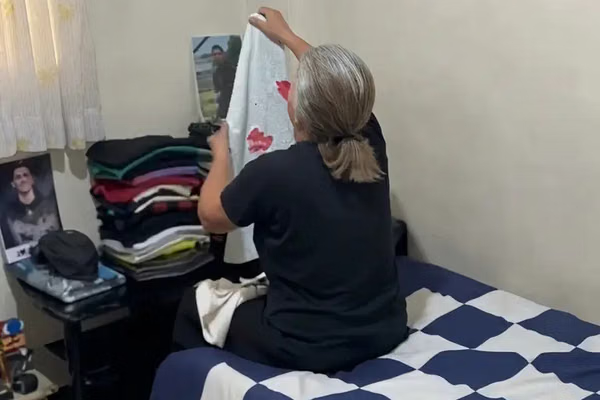
Iranian security forces have still not returned the body of 18-year-old protester Amirhossein Hatami to his family, four days after his execution, in what informed sources described as further pressure on relatives already reeling from his death.

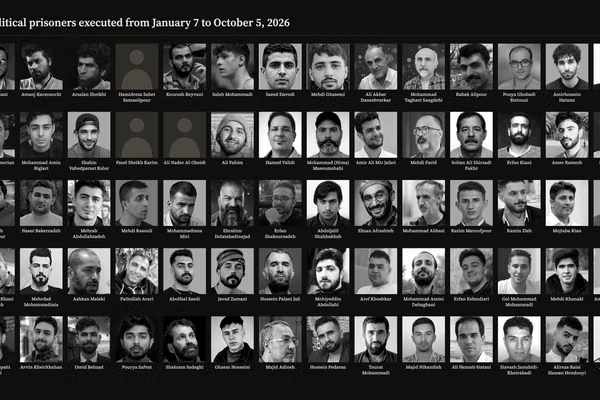
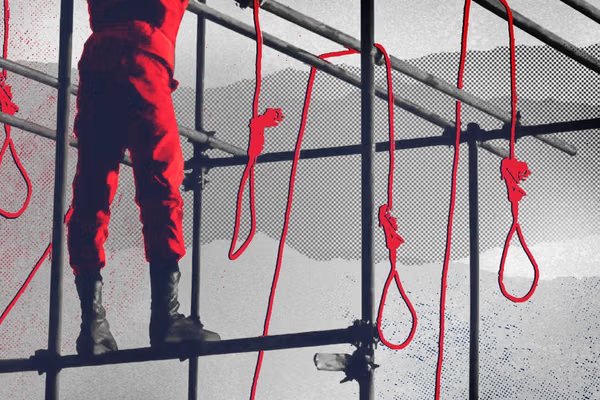
Iran has executed at least five men over the past week in cases linked to anti-government protests and security-related charges, as human rights groups warn of an escalating use of capital punishment against political detainees.

Iran executed two men on Sunday over accusations that they tried to storm a military site and gain access to an armory during the January protests, according to Mizan, the judiciary’s news outlet.

Iran’s judiciary said two political prisoners were executed on Saturday after their death sentences were upheld, in the latest use of capital punishment in security-related cases.

Iran’s state broadcaster has adopted a noticeably harsher tone toward dissent, increasingly framing domestic protests as part of a war waged by “enemies.”

Iranian state television has escalated its messaging by warning citizens not to reveal the locations of officials hiding among civilians.

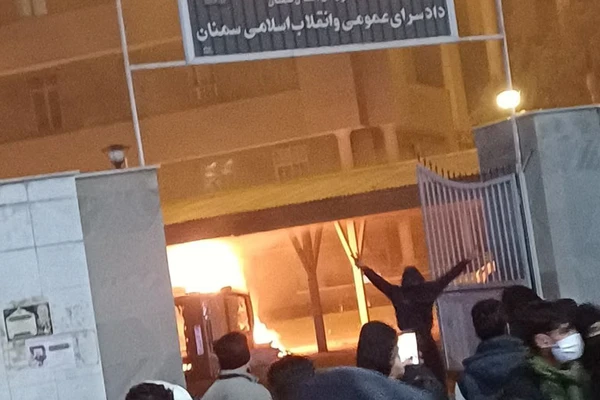
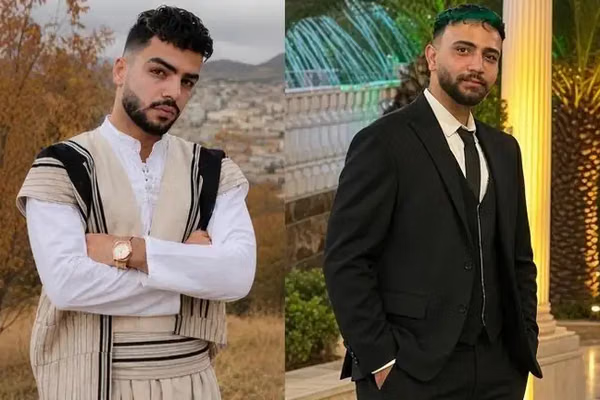
Iran’s judiciary said on Thursday it had carried out the execution of Amirhossein Hatami, a protest detainee convicted in a case linked to a fire at a Basij base in Tehran during January protests.

The rise of Mojtaba Khamenei is not an unexpected deviation within the Islamic Republic—it is the logical outcome of a system carefully engineered over nearly four decades by Ali Khamenei.

An Iranian man whose viral plea for Donald Trump’s help drew millions of views says he was forced to flee the country after being targeted by the Revolutionary Guard, warning from exile that negotiating with Tehran would allow its repression to continue.

Dismay and alarm are spreading among Iranians over reports and images showing Iraqi Popular Mobilization Forces, or Hashd al-Shaabi, inside Iran, with messages sent to Iran International describing fear, anger and a growing sense of insecurity.

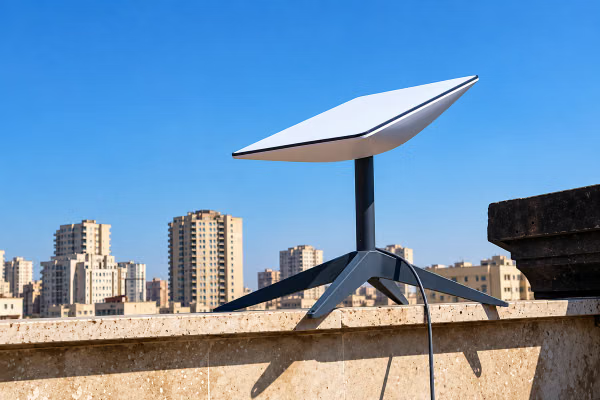
Iranian police said on Thursday they had blocked 61 bank accounts belonging to users of Starlink satellite internet in the central city of Yazd, as part of a broader crackdown on unauthorized connectivity.

In history, authoritarian systems usually fall twice: first psychologically, when fear breaks; then politically, when the men with guns hesitate. Iran’s recent shocks look less like a single crisis than a classic collapse sequence unfolding at speed.

Several safe houses in Tehran were targeted in attacks early on Monday, according to reports received by Iran International, as security deployments intensified across the country.

Cases tied to the January protests have been reviewed, with some reaching final verdicts and now being carried out, Iran’s judiciary said on Monday, warning that those convicted would face no leniency.

An Israeli security insider says Iran could be weeks away from reaching conditions for an uprising, as the US and Israel may soon judge the Islamic Republic weak enough to call on Iranians to take to the streets.

The hanging of a 19-year-old wrestler on Thursday intensified concerns over the fate of other detained athletes, with fears growing that more executions could follow in cases linked to protests earlier this year.