In large waves of alcohol poisoning, "people deliberately, and for various reasons such as profit, poison alcohol," Vahid Shariat, head of the Iranian Psychiatric Association, told the ISNA news agency on Friday. He did not say who they were or how they profited.
Drinkers have no way of telling whether what they buy is toxic, he said, and most of the harm could be prevented. He criticized what he called an "eliminationist" approach to alcohol and urged the state to put harm reduction first.
"There is widespread sloganeering at some levels of management, and those who make harsher slogans and bigger claims get more attention," he said.
'Which dealer can supply the whole country?'
The spread of the poisonings, from the northeast to the Persian Gulf coast and from Khoy in the northwest to Zabol in the southeast, has fed suspicion online that they are organized.
"It's obviously the state's doing, otherwise the whole country wouldn't be poisoned," one Iranian wrote to Iran International. "Which dealer or bootlegger can distribute across the whole country?"
Earlier this month, the London-based channel Manoto aired an audio message from a man in Iran who said people linked to the security services and the Revolutionary Guards were involved in distributing alcohol and deliberately contaminating some shipments, without many producers knowing. He offered no evidence, and the claim could not be verified.
Others who wrote to Iran International blamed the ban itself. "The one responsible is whoever won't let quality, standard products in," one said.
543 cases, 23 deaths in the national count
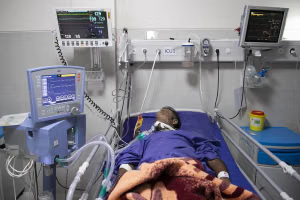
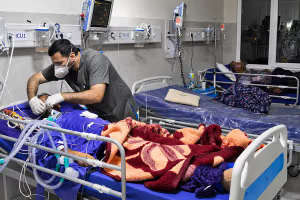
The Health Ministry recorded 543 poisonings and 23 deaths across 12 medical university regions between October 31 and Wednesday evening, and eight people declared brain dead, ministry spokesman Hossein Kermanpour said.
Neyshabur had the most cases, 214, followed by Hormozgan with 93, Shiraz with 81 and Tehran province with 69. Kordestan, Khoy, Alborz, Mashhad, Isfahan, Zanjan, Khalkhal and Zabol also recorded cases.
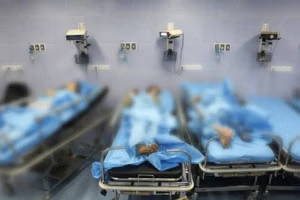
Of those poisoned, 205 needed dialysis, 33 were in intensive care and 38 had blurred vision. The average age was 31, and 92 were under 20, according to ministry figures.
The toll has risen since. In Hormozgan, 126 people had been poisoned and 10 had died by Friday morning, nine in Bandar Abbas and one on Qeshm Island, the provincial health spokeswoman said, up from seven deaths in the ministry's count. The youngest was 12. In Neyshabur, 238 people had been treated by Thursday, with five dead and five declared brain dead. In Khoy, in West Azarbaijan, 20 people were poisoned and three died.
"No alcoholic drink can be considered safe," Kermanpour wrote on X, adding that the figures were published "not to frighten or blame people" but to prevent more deaths.
'Even a small amount'
Methanol, an industrial alcohol, cannot be detected by smell, taste or appearance, and even a small amount can be dangerous, said Shervin Tabrizi, a spokesman for Tehran's emergency services.
Symptoms, which can appear hours after drinking, include blurred vision, headache, nausea, vomiting, abdominal pain and drowsiness. He urged anyone with symptoms to call the 115 emergency line at once.
A deadly market
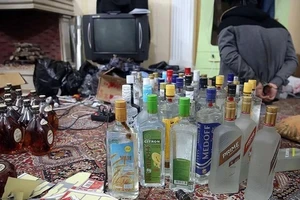
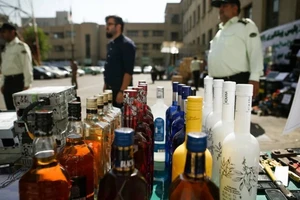
Alcohol is banned in Iran for Muslims, who face flogging if caught drinking, and only recognized religious minorities may make it for private use. Bootleggers often stretch drinks with cheap industrial methanol, and mass poisonings recur.
The worst came in early 2020, when 796 people died after drinking methanol in the false belief that it protected against COVID-19, according to Iran's Legal Medicine Organization.
In 2023, methanol-laced drinks killed 17 people and blinded 191 in Alborz province, near Tehran. Four people were later sentenced to death for "corruption on earth" for distributing them.